Our students in the MBS degree program know how to write a business plan, and they know how briefly most plans survive. The Constitution has beaten the odds.
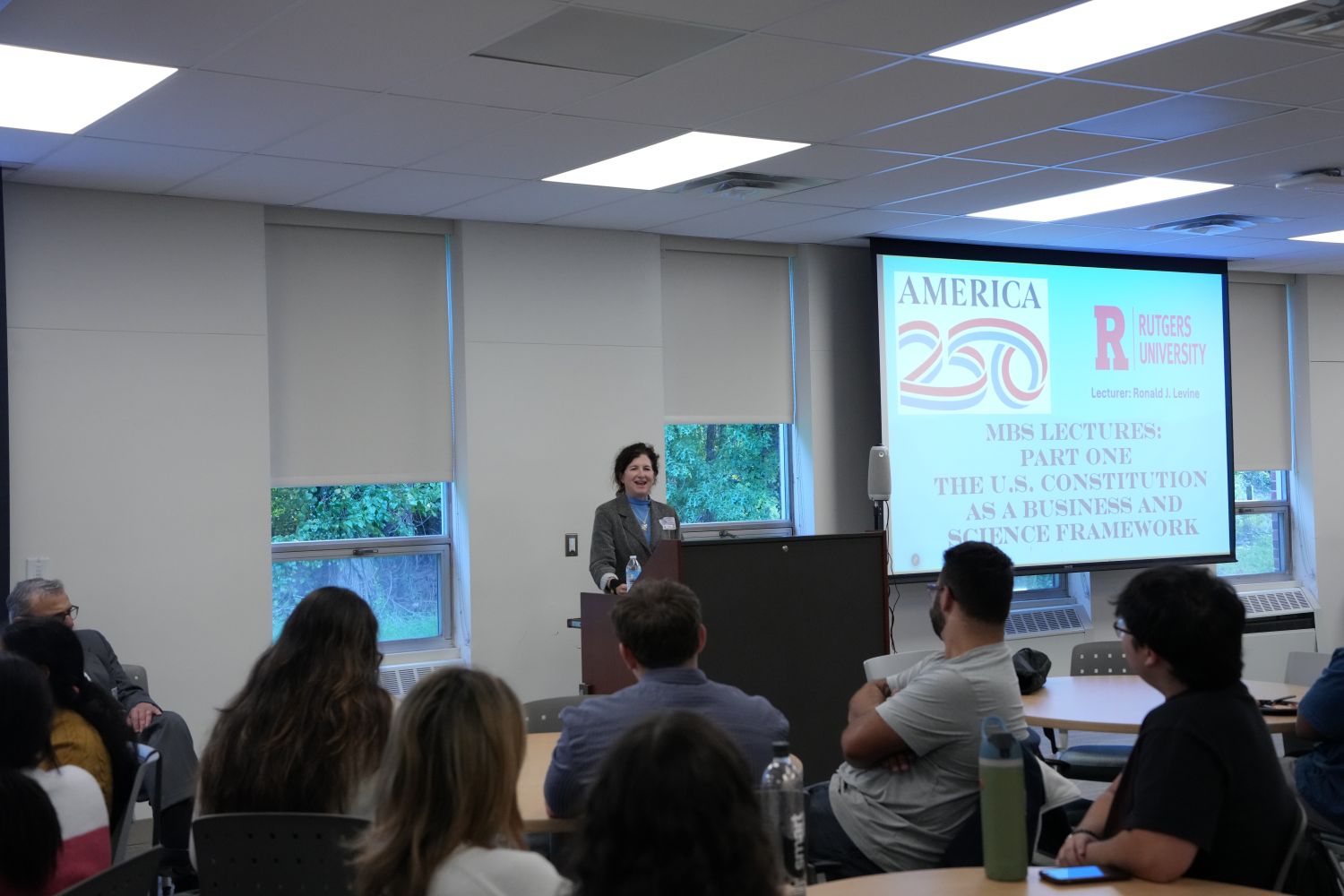
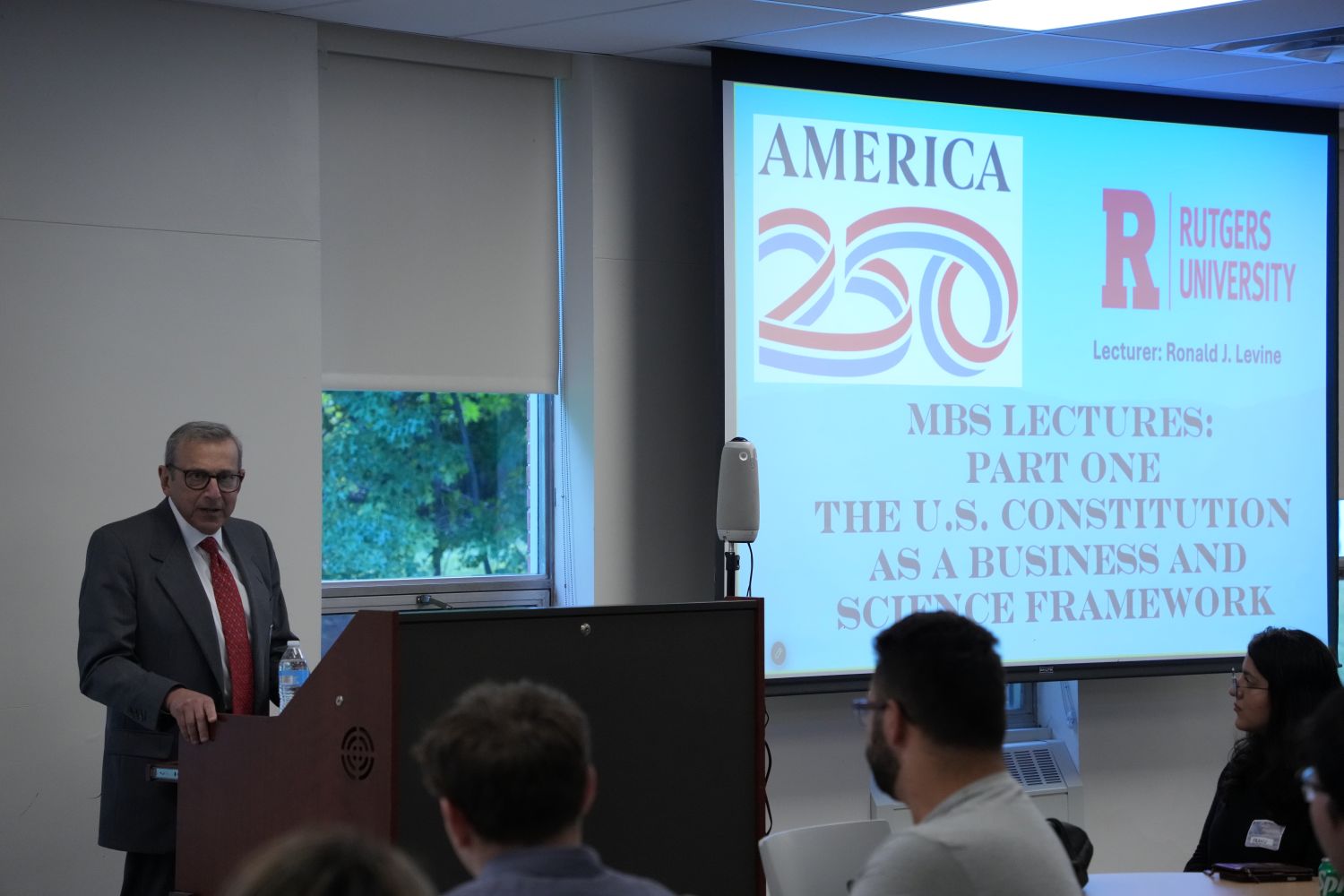
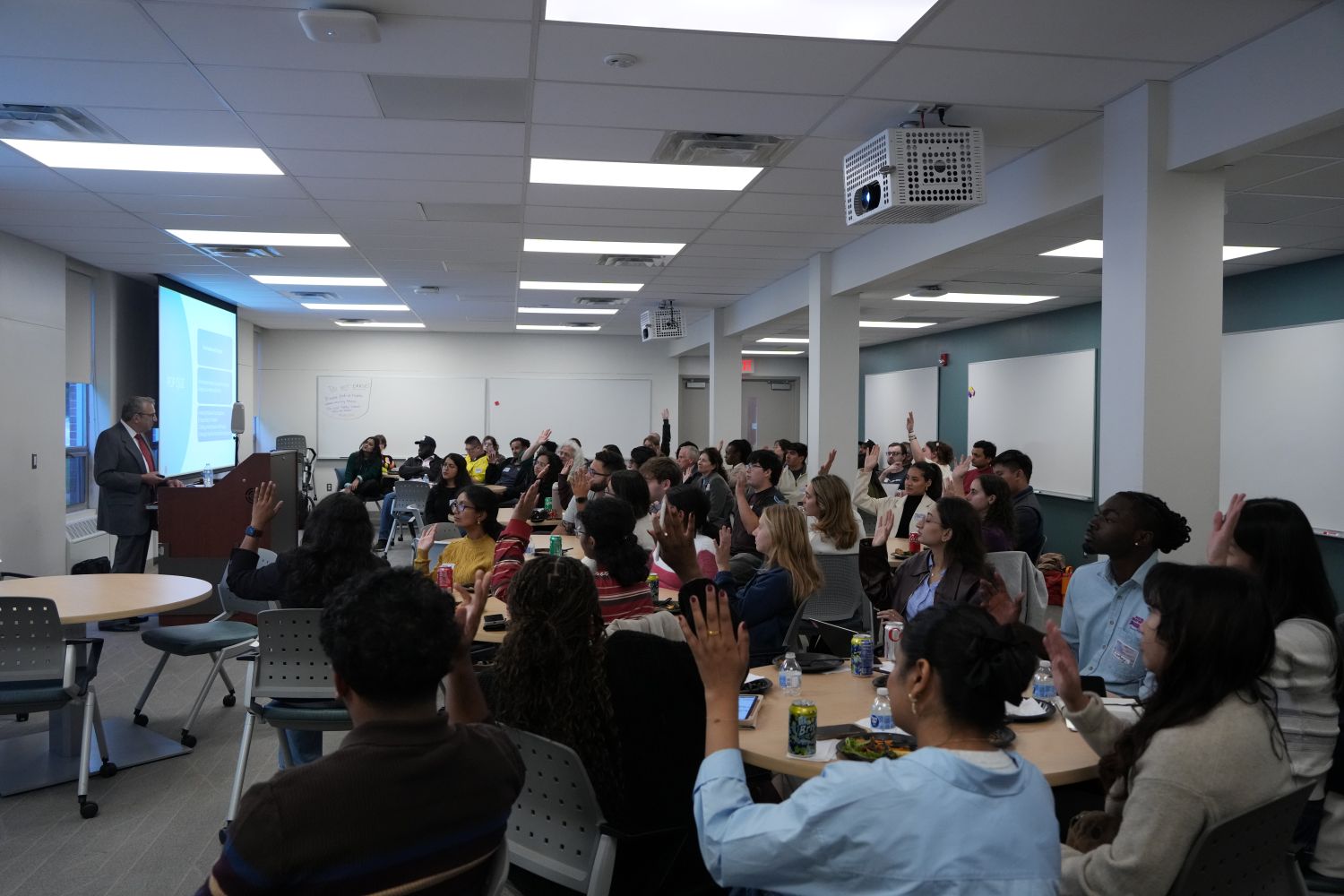
In my first “America at 250” lecture on the U.S. Constitution, delivered on September 23, 2026, I shared a few statistics with the document itself in mind. It has seven articles and runs about 4,500 words, shorter than the employee handbook at many Fortune 500 companies. That 4,500-word plan has governed the world’s largest economy for more than 230 years, has been amended only 27 times, and by some counts has served as a model for more than one hundred other countries.
The Constitution does not try to answer every question. It creates a durable process for answering them. The Framers were not solving only the problems of 1787; they were building a framework for problems they could not yet imagine.
For the MBS students, I also framed the drafting itself as a scientific experiment. In the summer of 1787, delegates met behind closed doors in Philadelphia, tested proposals under pressure, revised them, and then asked the states to confirm the result through ratification. Extending the analogy, the amendment process serves as the Constitution’s peer review.
Fixing a failed first trial
I began with a brief history, starting with the Articles of Confederation. Under the Articles, the national government could not directly tax, could not regulate commerce among the states, and had no president or national courts. Amending the Articles required unanimity, so a single holdout could freeze the system. States printed their own money, and foreign creditors doubted that the country could enforce its contracts.
At its core, the Constitution is a trust-and-confidence project. Capital and innovation flow to places where the rules are predictable and enforceable, and the Framers were solving a business problem as much as a political one.
I also walked the students through the provisions most relevant to their careers, including the Commerce, Patent and Bankruptcy Clauses.
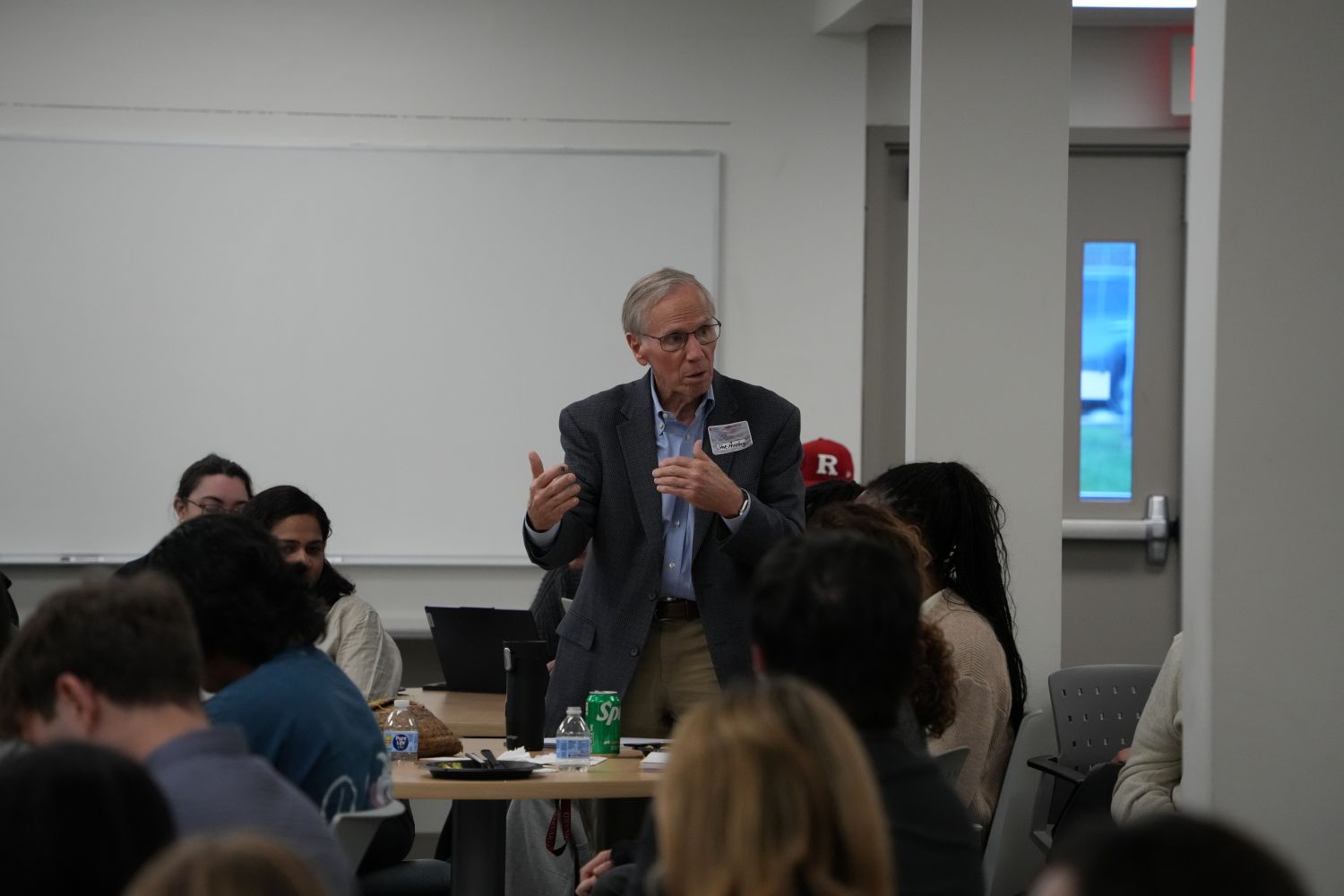
The students also heard from Professor Steven Armstrong, a former newspaper reporter. His remarks recalled Thomas Jefferson’s famous admonition that, given a choice between a government without newspapers and newspapers without a government, he would not hesitate to choose the latter.
Due diligence on the plan’s weaknesses
We also examined what the original document left out. It did not recognize the rights of enslaved people, and it accommodated slavery through provisions such as the three-fifths clause. It was silent on women, leaving voting qualifications to states that almost uniformly excluded them.
How could a document that begins “We the People” leave out so many of them? These omissions were compromises made to secure ratification, and the cost fell on people who were not at the table. Amendments eventually sought to address many of these defects.
The lesson, which I hope the entrepreneurs in the room took to heart, is that a durable plan is not a perfect one. It has a credible mechanism for admitting error and correcting it.
States as laboratories
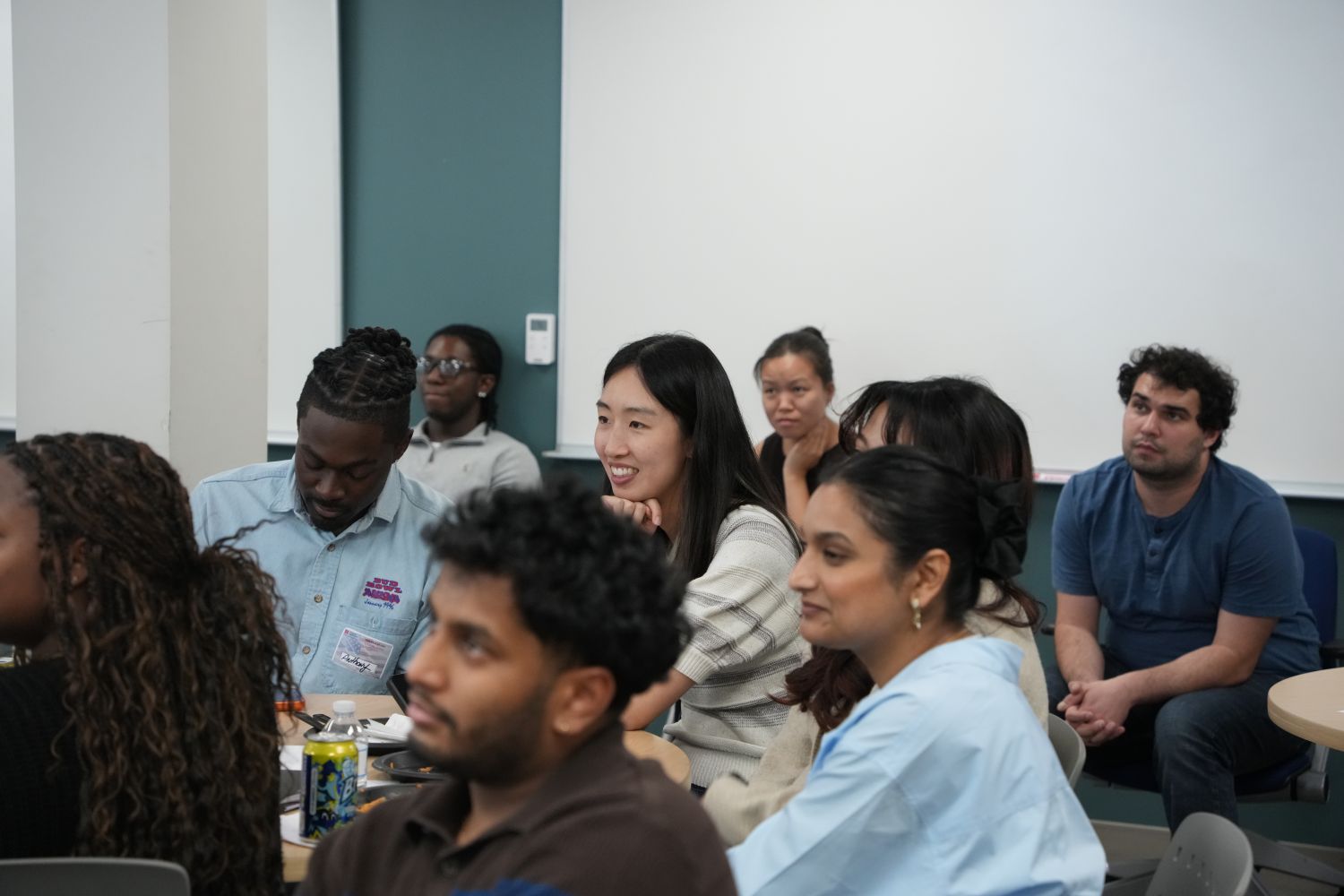
The students were especially interested in federalism. I discussed the Tenth Amendment, which reserves powers not delegated to the federal government to the states or the people, and Justice Louis Brandeis’s description of the states as “laboratories of democracy.” To the scientists in the room, this resembles a controlled trial: fifty jurisdictions test different approaches while the others watch the results.
Hearing from the bench
For the second lecture, on October 1, the students visited the United States District Court in Newark. They spent more than an hour in the courtroom and heard from Magistrate Judge Leda Dunn Wettre and former Magistrate Judge Ronald Hedges, who described their heavy dockets, including a recent surge of immigration-related cases. The judges were also candid that federal judges are generalists who may hear a patent dispute, a sentencing and a securities case in the same month, and who are now being asked to evaluate technologies such as artificial intelligence that even their designers cannot fully explain. They emphasized the importance of experts and tutorials in keeping the court informed about complex scientific issues.
Privacy, speech and biotechnology
We are looking forward to the third lecture, on November 17, with co-lecturer Jenny Finnegan, Esq. MBS students can join online or in person. We will apply constitutional principles to current technology, including free speech, privacy and biotechnology, among other hot areas.
I hope the “America at 250” series helps MBS students appreciate the importance of the Constitution in their lives and careers. The students have posed some very insightful questions addressing the law and ethics, which we will continue to explore in the classroom as well as in the lectures.