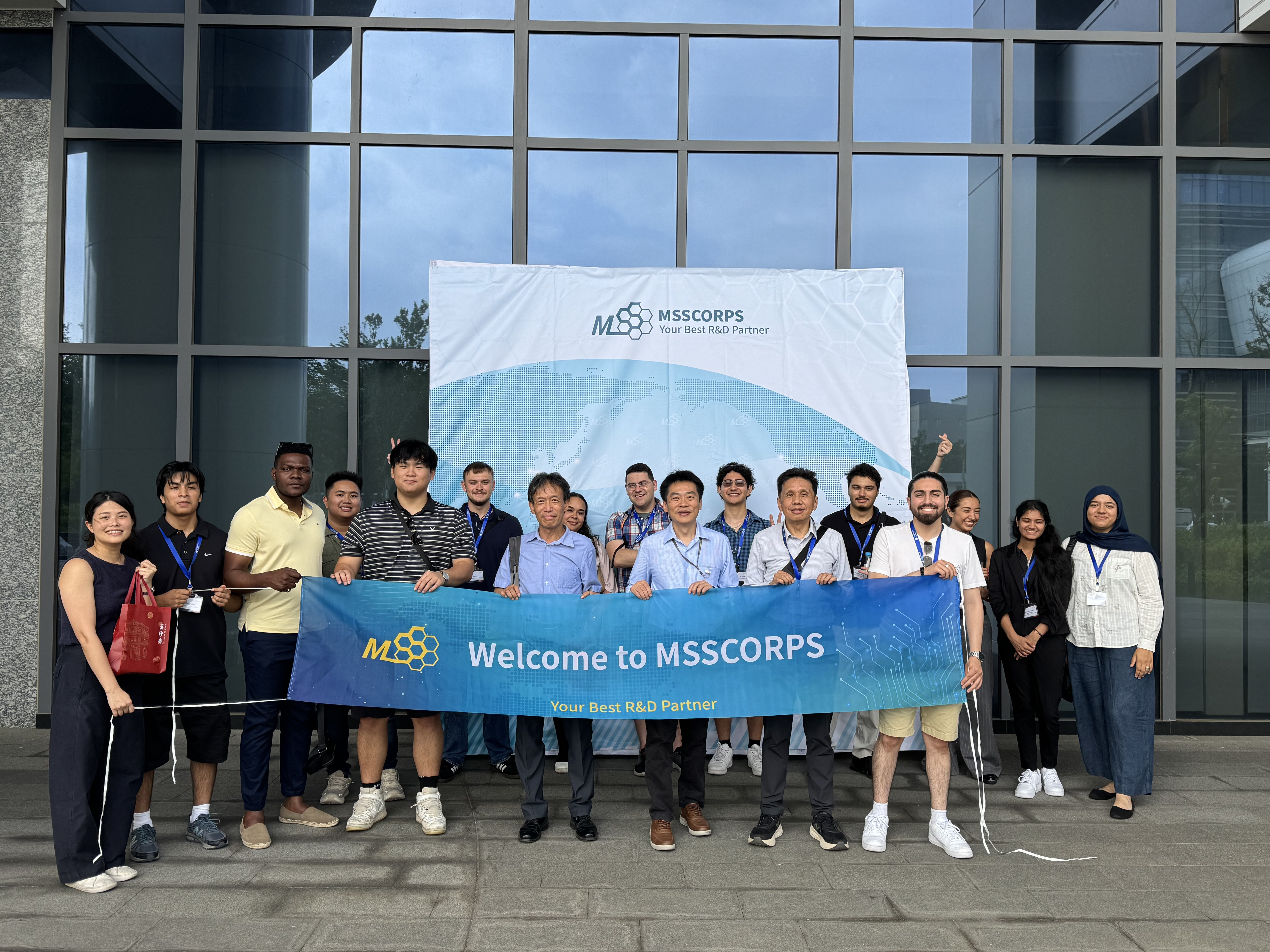
A group of Rutgers students took a summer trip to study the world’s leading semiconductor ecosystem, connecting classroom learning with industry, academia, government, and culture through the program Rutgers-Taiwan: Engineering Management in High-Tech Industries.
The program was led by Hae Chang Gea, a professor of mechanical and aerospace engineering at the Rutgers University School of Engineering and the advisor and concentration coordinator for Engineering Management within the Master of Business and Science (MBS) degree.
“Taiwan is at the heart of the global semiconductor ecosystem and plays a critical role in the world's high-tech supply chain,” said Professor Gea. “It offers students a unique opportunity to see firsthand how innovation, advanced manufacturing, and engineering management come together in one of the world's most important technology hubs.”
A Classroom without Borders
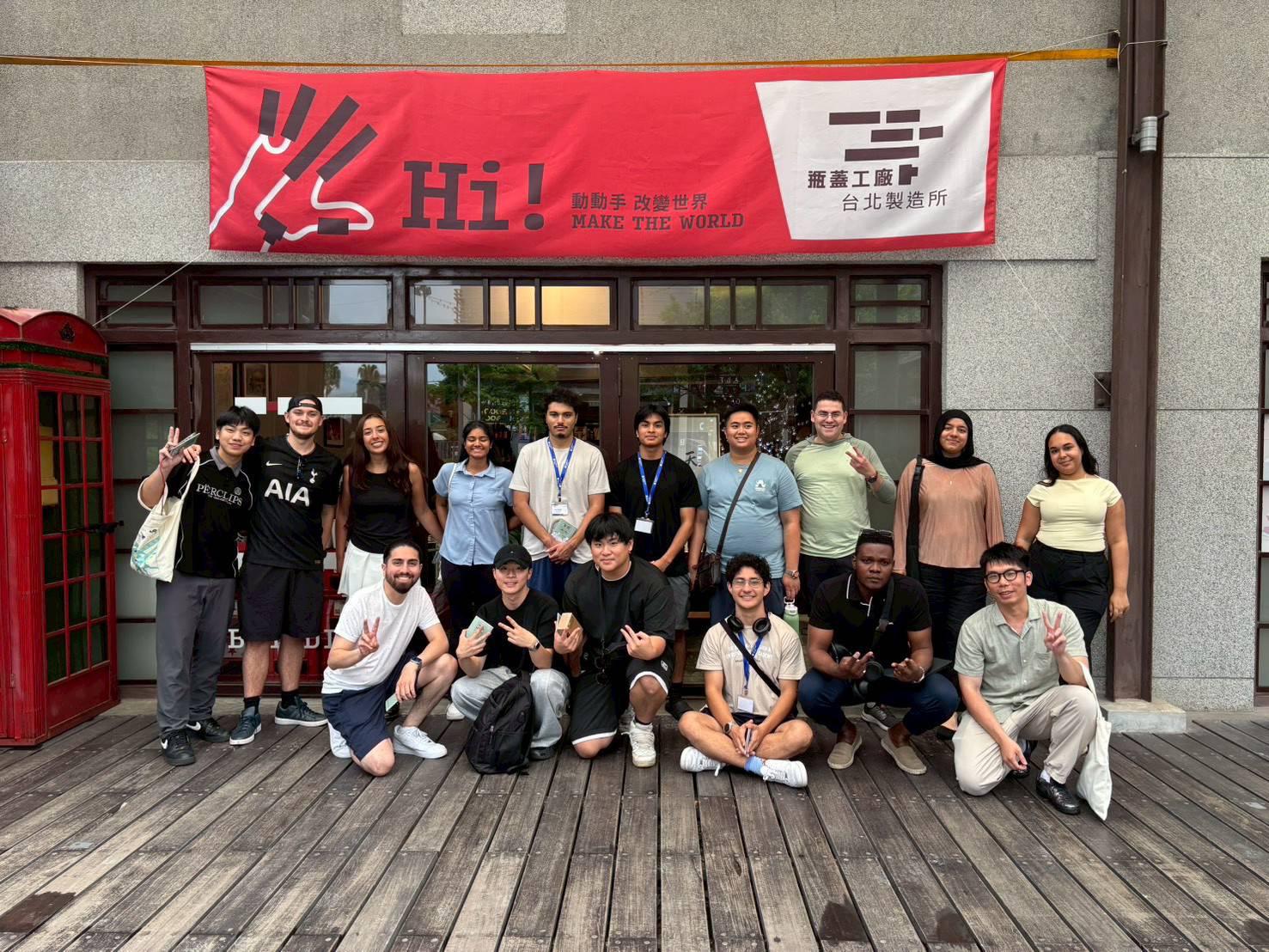
The eleven-day course, held in Hsinchu and Taipei in partnership with Fulbright Taiwan and the CSAT Consortium, connected technical concepts, management strategy, and lived experience.
“Our goal was to bridge the gap between classroom learning and real-world practice,” said Professor Gea. “While students can study supply chains, manufacturing systems, and engineering management in lectures, there is no substitute for standing inside a semiconductor fabrication facility, talking directly with industry leaders, and seeing how complex technologies are designed, manufactured, and managed.”
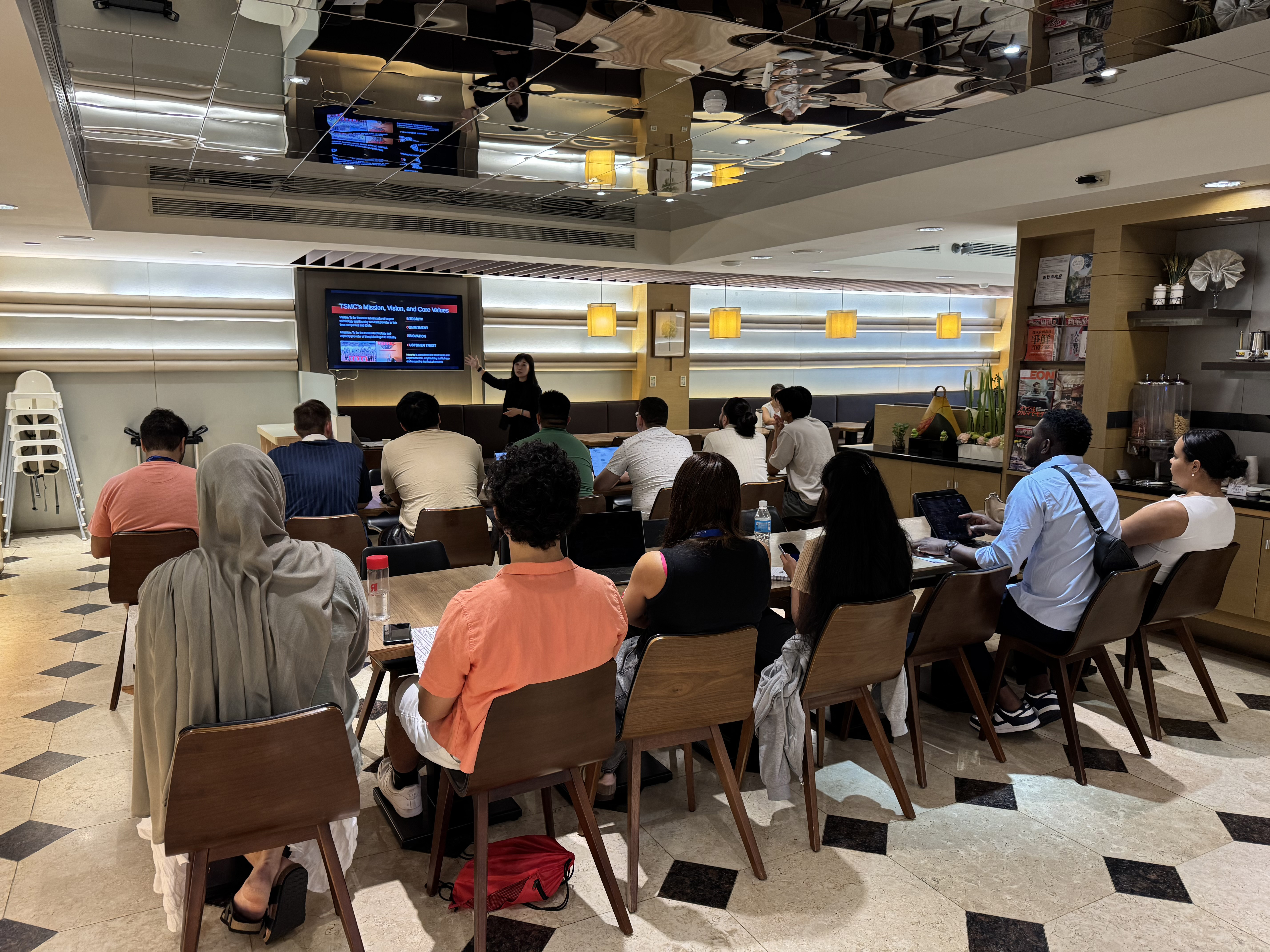
Through lectures, discussions, and site visits, students gained a comprehensive view of Taiwan’s semiconductor ecosystem. They examined both the technology itself and the business, management, and strategic decisions that drive this global industry.
Students came from a wide variety of academic backgrounds and held different professional goals.
“I decided to take this course because I wanted to learn more about the semiconductor industry from the place where much of the world's most advanced chip manufacturing happens,” said student Andrew Ikemoto. “As a Mechanical Engineering student who is interested in manufacturing and technology, I thought it would be a unique opportunity to see how classroom concepts are applied in industry.”
For MBS student David Nicholson, Senior UX designer at PWC, the course offered a chance to study the strategies behind Taiwan’s global leadership and consider their relevance to his own work.
“I wanted to get a sense from a practical perspective of what engineering strategies are useful in terms of making Taiwan's sector specifically so world-class,” said Nicholson, “and I wanted to see if there were any particular insights I could get from that that I could take into my own job.”
Course Content and Themes
The program connected technical learning with business, cultural, and societal perspectives. Key course themes included:
- Global semiconductor industry. Students gained a comprehensive understanding of the global semiconductor value chain.
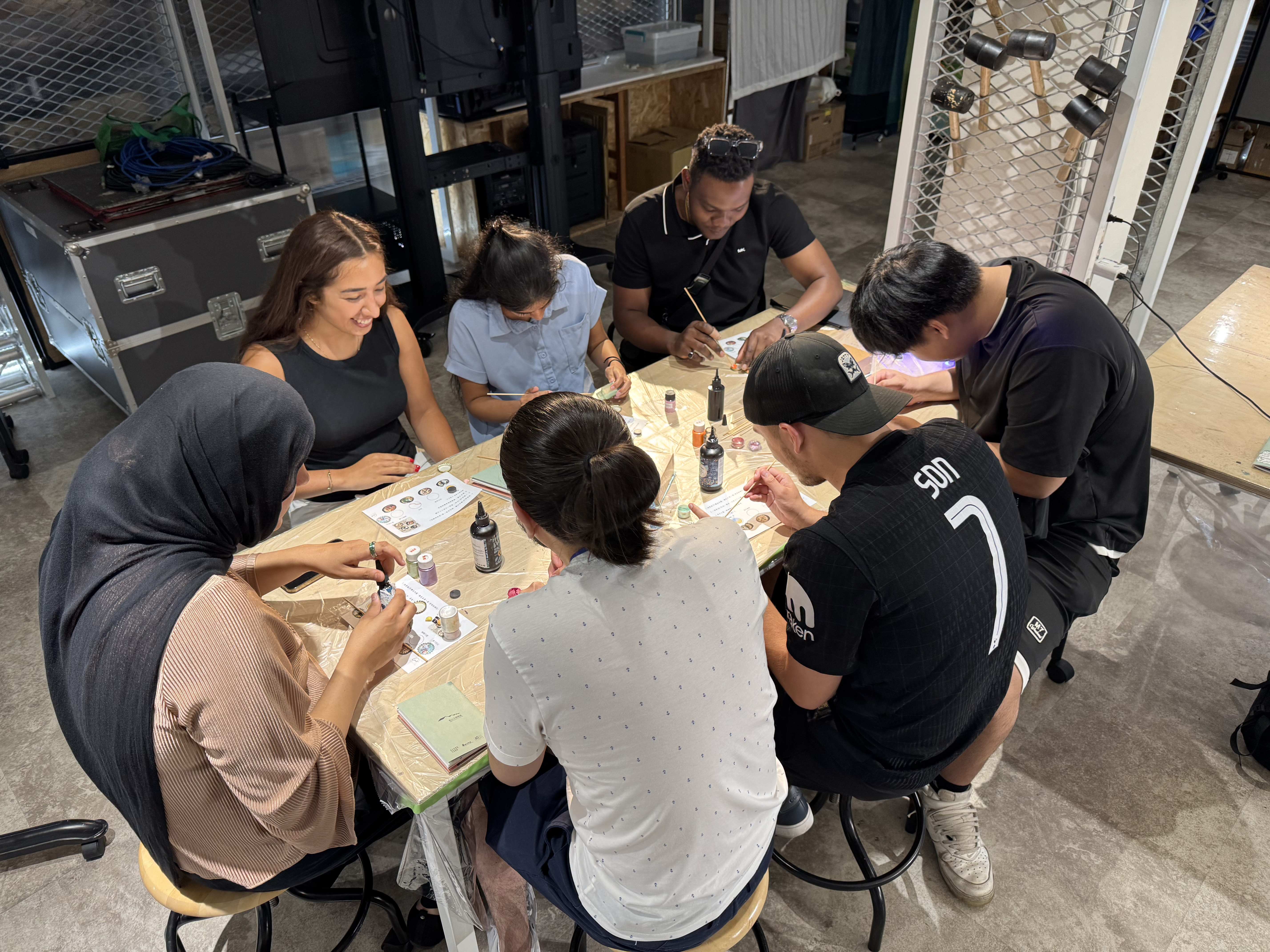
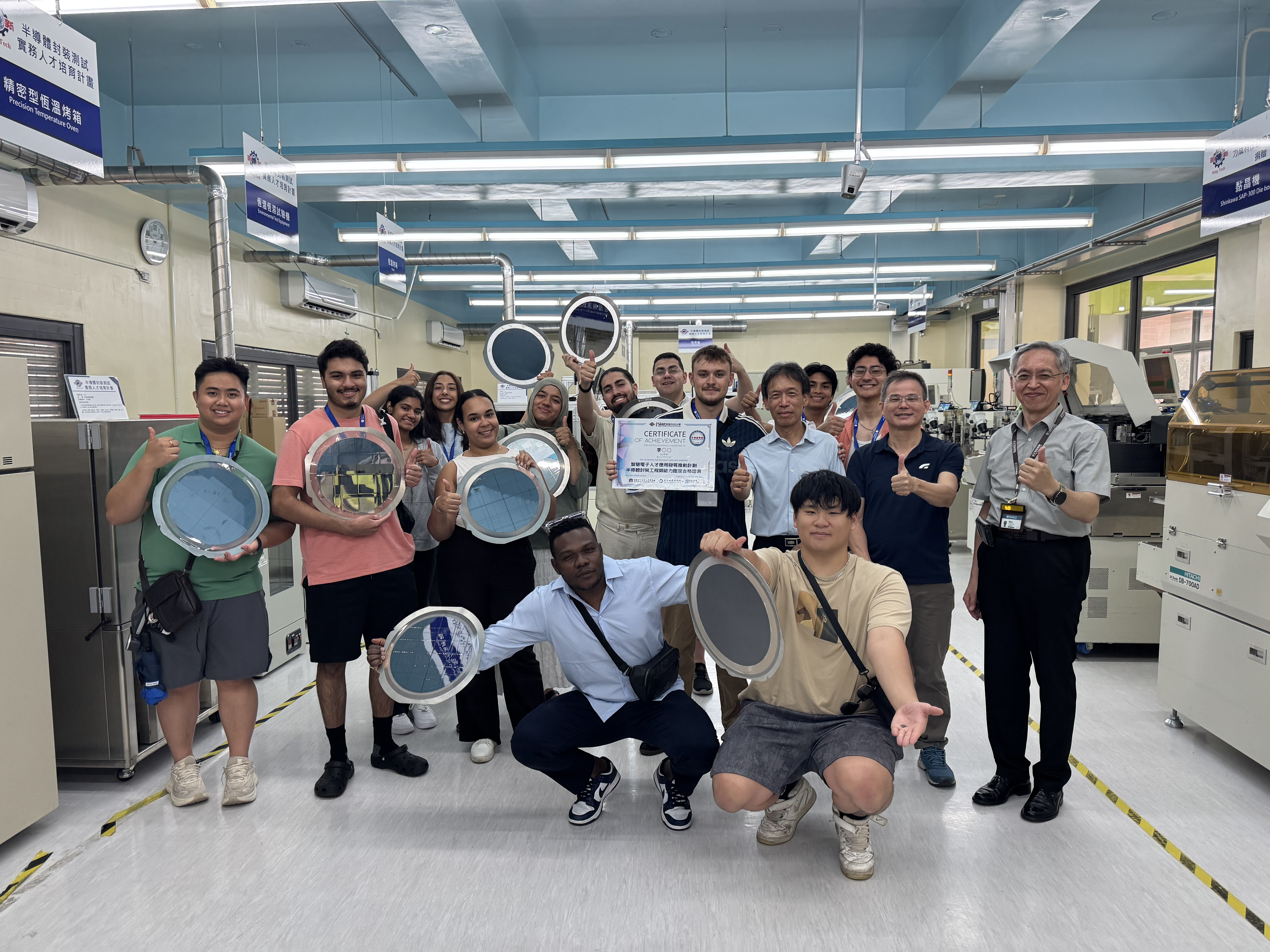
- Engineering and innovation. Students participated in hands-on and observational learning, covering semiconductor equipment operation, maker culture, and rapid prototyping, laboratory workshops, and more.
- Human resources and corporate social responsibility. Students heard a dedicated lecture and cultural immersion addressing the human side of engineering.
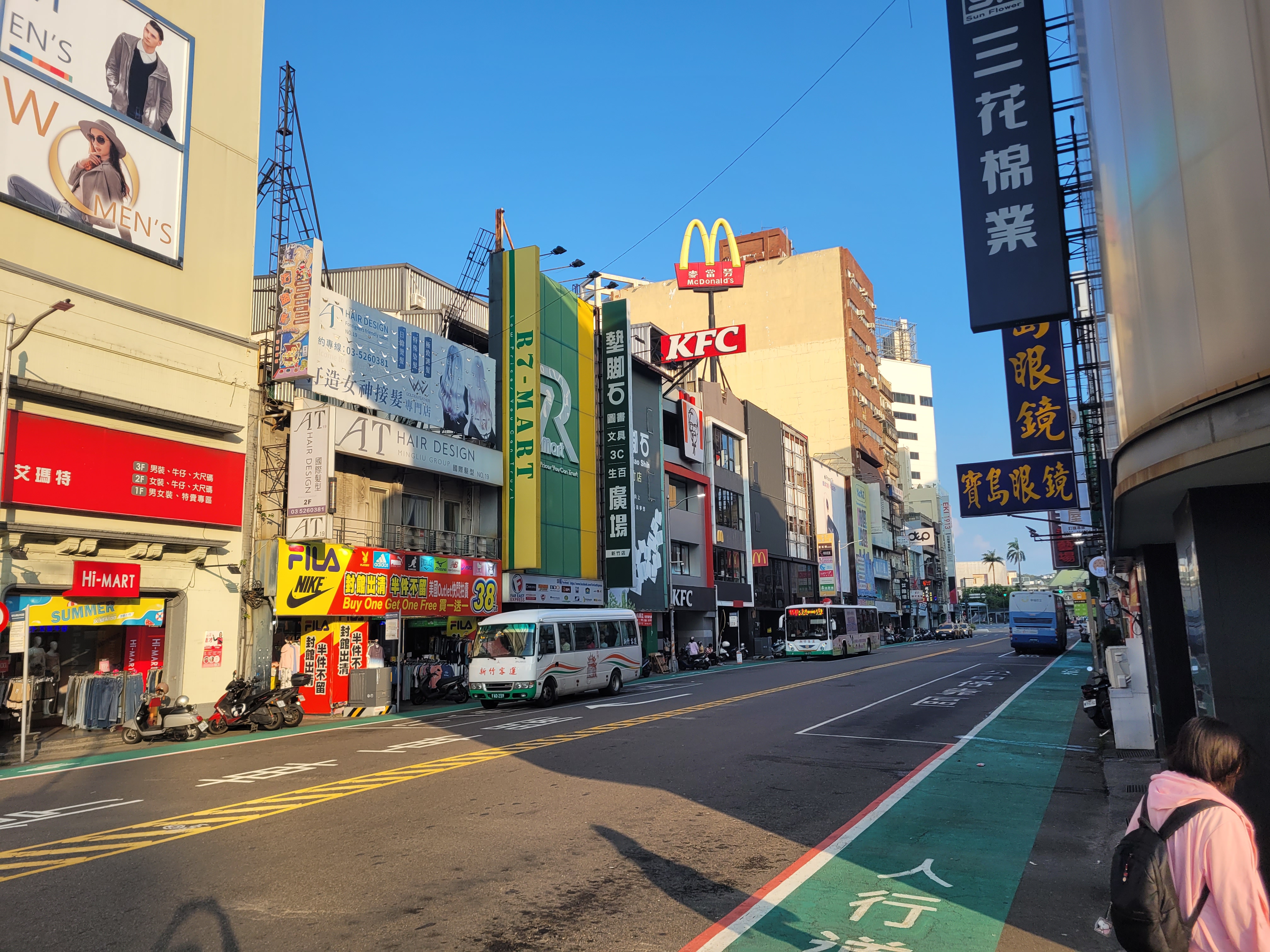
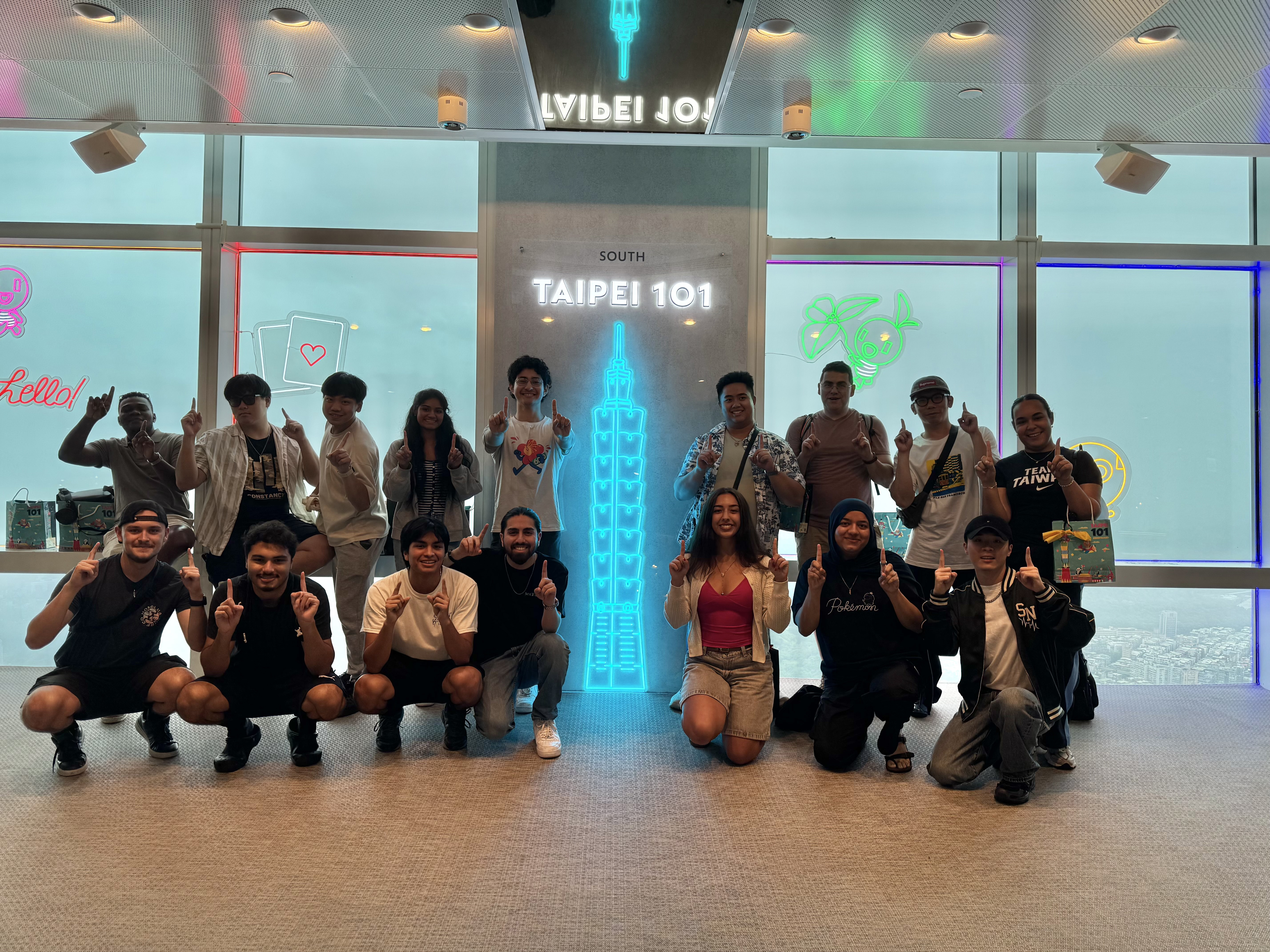
- Cultural and historical context. Students developed cross-cultural competency through visits to the National Palace Museum, Saisiyat Cultural Center, Taipei 101, and self-guided Taipei exploration.
Seeing Semiconductor Manufacturing Up Close
Company and university visits gave students access to parts of the industry that are difficult to understand from lectures alone.
“One of the highlights was visiting world-class semiconductor companies and interacting directly with engineers, managers, and executives,” said Professor Gea. “Students were able to ask questions, learn about career paths, and gain insights into an industry that is often difficult to access.”
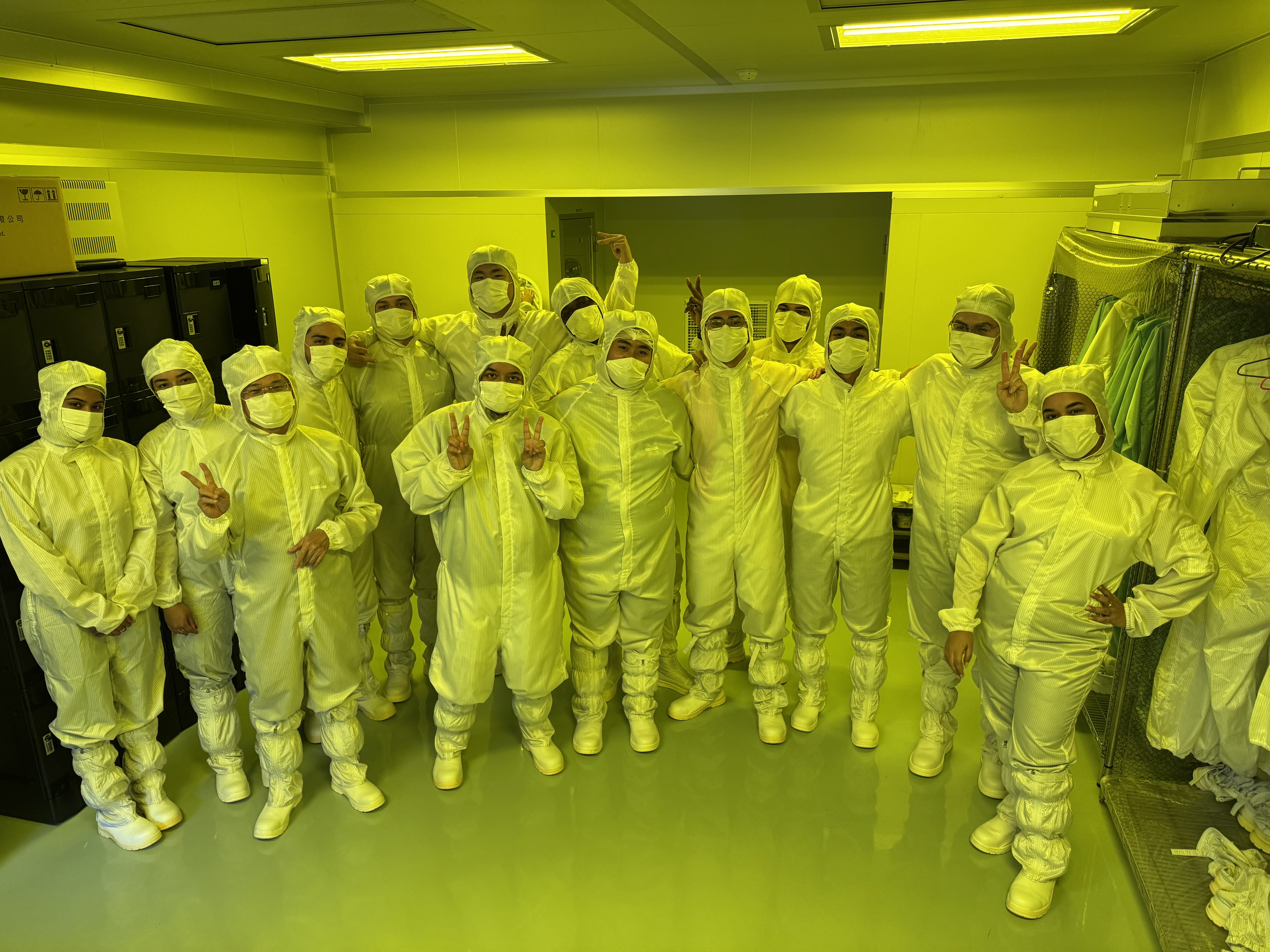
“No classroom can replace seeing the manufacturing process firsthand or having conversations with the people who work in the field every day,” said Ikemoto. “Walking through a cleanroom, handling a silicon wafer, observing the equipment used throughout fabrication, and asking questions directly to professors and engineers gave me a much more intuitive understanding of how semiconductor manufacturing actually works.”
The visits also helped students observe how decisions about production, leadership, and teamwork shape innovation at scale.
“Students developed a deeper understanding of the semiconductor industry, global supply chains, engineering management, and cross-cultural communication,” said Professor Gea. “Equally important, they gained confidence in interacting with professionals from different backgrounds, asking thoughtful questions, and viewing engineering challenges from both technical and managerial perspectives.”
This summer program also underscored that Taiwan’s semiconductor strength depends on a broader ecosystem.
"One of my biggest takeaways was how closely industry, universities, and the government work together to drive innovation,” said Ikemoto. “Taiwan's success comes from the country’s investment in education, research, and manufacturing. Seeing organizations like ITRI alongside companies like TSMC showed me how collaboration between the government and private sector continues to push technology forward in Taiwan.”
A Lasting Impact
The program’s impact extended beyond semiconductor manufacturing. Students returned with new ways to think about how organizations create value, how industries evolve, and how economic advantage can shift over time.
“Getting a chance to see how an industry works is pretty rare. I was very lucky for Rutgers to offer this,” said Nicholson.
Nicholson added that the experience offered a framework for thinking about how organizations create value and how sources of economic value can shift over time. The experience reinforced the importance of lifelong learning, adaptability, and understanding where an industry is headed next.
“Another highlight was seeing students connect what they had learned in the classroom with what they observed during the company visits,” said Professor Gea. “Those moments demonstrated that experiential learning can have a lasting impact.”
“I would absolutely recommend taking this course,” said Ikemoto. “Even if semiconductors aren't your primary area of interest, you'll gain a better understanding of one of the world's most important industries while experiencing a new culture. It's an experience that'sdifficult to recreate anywhere else.”
Looking Ahead
As the first Rutgers summer program in Taiwan focused on the semiconductor industry, the course was a resounding success.
“I am proud of our students,” said Professor Gea. “They approached every activity with curiosity, professionalism, and enthusiasm, making the program a rewarding experience for everyone involved. I hope this program serves as the foundation for a long-term partnership that provides future Rutgers students with similar opportunities to learn from one of the world's leading centers of technological innovation.”
The Rutgers-Taiwan: Engineering Management in High-Tech Industries program will return in Summer 2027. Students interested in exploring Taiwan’s semiconductor industry, high-tech ecosystem, and culture firsthand can learn more about the program and upcoming application information through Rutgers Global.