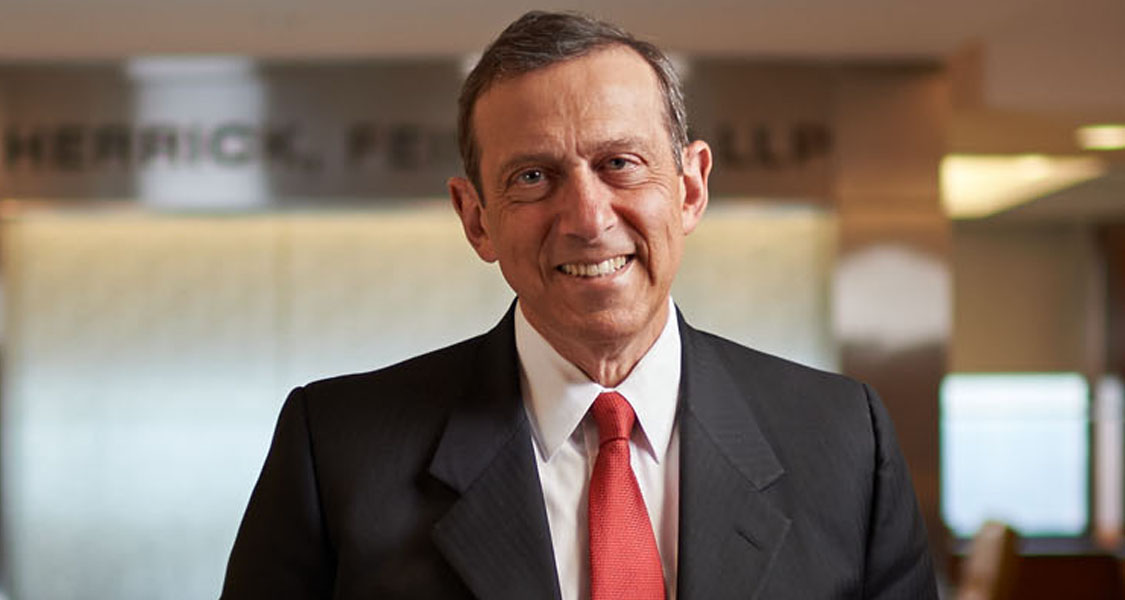
In the Master of Business and Science (MBS) degree program, our instructors bring real-world expertise that extends far beyond their academic credentials. Ronald J. Levine, an attorney, is counsel to the Herrick, Feinstein LLP law firm, with offices in New York and Newark, where he has served as General Counsel and co-chair of the Litigation Department. A Harvard Law graduate with over four decades of experience in complex commercial litigation, crisis management, and class action defense, Levine is one of the leading litigators in our country. At MBS, he is an instructor for the “Current Regulation Standards for Foods” and “Special Topics: Alcoholic Beverage Regulation: Wine, Beer and Spirits” courses.
But what makes Levine's story particularly compelling is what he learned when the crisis became his own.
In 2007, at the peak of his career, Levine was diagnosed with Hodgkin's lymphoma. Together with his wife, he took advantage of his professional expertise and built a personal “crisis management plan”, assembled a team of doctors and trusted advisors, established clear communication channels, and told his clients directly that he would continue to serve them. Throughout his treatment, he did not lose a single client.
His framework for crisis response follows a logic familiar to anyone who has studied how institutions fail: the organizations that survive crises are the ones that anticipated them. That means having a communications system ready before a crisis erupts, knowing who speaks for the organization, and resisting the instinct toward "no comment", a posture Levine has long viewed as both strategically and ethically counterproductive. Getting ahead of a narrative, he teaches, puts you in control. Silence cedes that control to others.
For his students, it may be the most practical thing they learn: resilience is not instinctive in law, business, or life. It is preparation. There is a phrase Levine has been saying to clients, students, and audiences for decades: “companies are not always given a sixty-day notice that a crisis is coming”. It is a deceptively simple observation, but it is also the organizing philosophy behind a distinctive career.
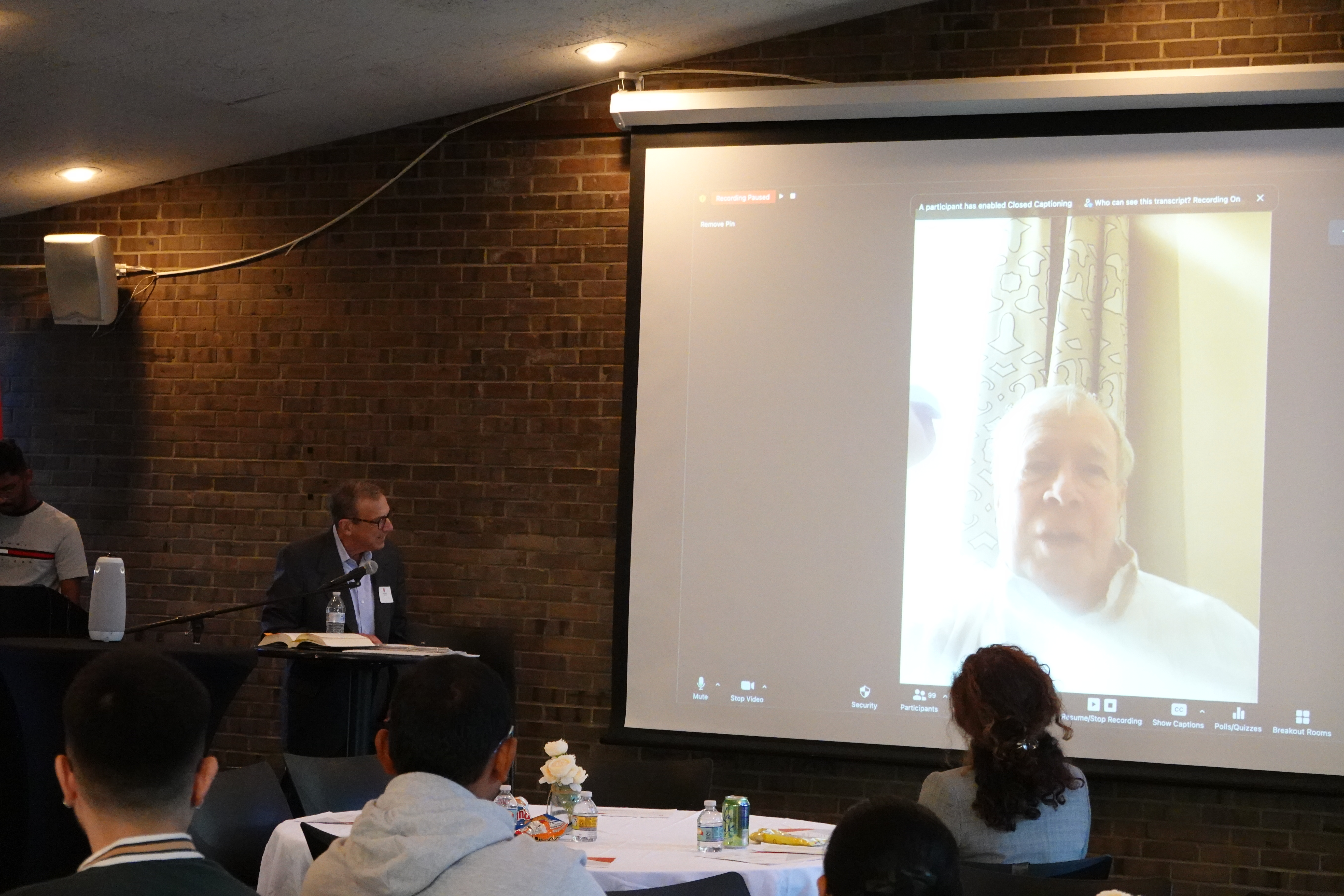
Read our Q&A with Professor Levine to learn more.
You've spent decades advising companies through crises. Did that background change your approach when you were diagnosed with Hodgkin's lymphoma in 2007?
You don't fully appreciate what is involved in crisis management until you have to deal with your own crisis. You are forced to determine whether you can practice what you preach. I became even more fond of the the idea that in Chinese, the symbol for “crisis” is composed of two characters: one means danger, the other means turning point. In my own case I viewed it as an opportunity, among others, to help guide others who are dealing with the host of issues arising from a cancer diagnosis. Among other things, I joined the advisory board of the Rutgers Cancer Institute of New Jersey, where I was treated.
How did your involvement with the Rutgers Cancer Institute of New Jersey come about, and what does that work mean to you?
I was treated by outstanding doctors, nurses and other staff at the Institute. After I completed my treatment, I asked how I could help the Institute and its patients. I was invited to serve on the advisory board, which was a great honor. I was able to learn more about how the Institute operated, which only increased my admiration for it. We used the expression that "cancer does not travel well." New Jersey is very fortunate to have a world-class facility in the state so its residents can receive exceptional care locally.
What was the hardest part of applying a professional framework to something as personal as a health crisis?
Clients understandably rely on their professionals to be 100% on their game. When they learn about health issues facing their professionals, they will, of course, be concerned for the ill professional, but they will also understandably worry whether their problems will be addressed. You need to be open and honest with your clients and anticipate all of their fears. Those fears can only grow if you are not honest with your clients.
Has going through that experience shifted the way you teach students?
It only strengthened my focus on sharing my professional interest in crisis management. I try to include a discussion of crisis management in all of my courses. I think all MBS students should be prepared for crises. Hopefully, some of the lessons we teach will come in handy whenever a crisis may arise. And I am, of course, always happy to assist any student who is addressing one!
What advice would you give to students facing an unexpected personal challenge they feel completely unprepared for?
Seek help. Don't try to handle it on your own. I relied on family, friends, colleagues and professionals. As the proverb goes, it takes a village.
Is there anything else you would like to add?
I consider it a great privilege to teach at the MBS program. The students are outstanding, and I learn from them as well. The world is changing rapidly. That said, as the lessons learned from crisis management demonstrate, the more the world changes, the more it stays the same — Plus ça change, plus c'est la même chose.
To read more from our Life Outside the Classroom series, check out our features on:
- Jay Goldring — Avid bicyclist and outdoor sports enthusiast
- Lindy Ryan — Horror author, filmmaker & publisher
- Braun C. Kiess — Co-founder of a brewery & hop farm
- Larry Horowitz — Photographer with gallery exhibitions