The "Cosmetic Quality, Safety and Global Regulation" course within the Rutgers Master of Business and Science (MBS) degree program combines classroom learning with real-world exposure to roles within the industry. The course provides students with a practical understanding of how regulatory, safety, and quality functions operate across the cosmetics industry.
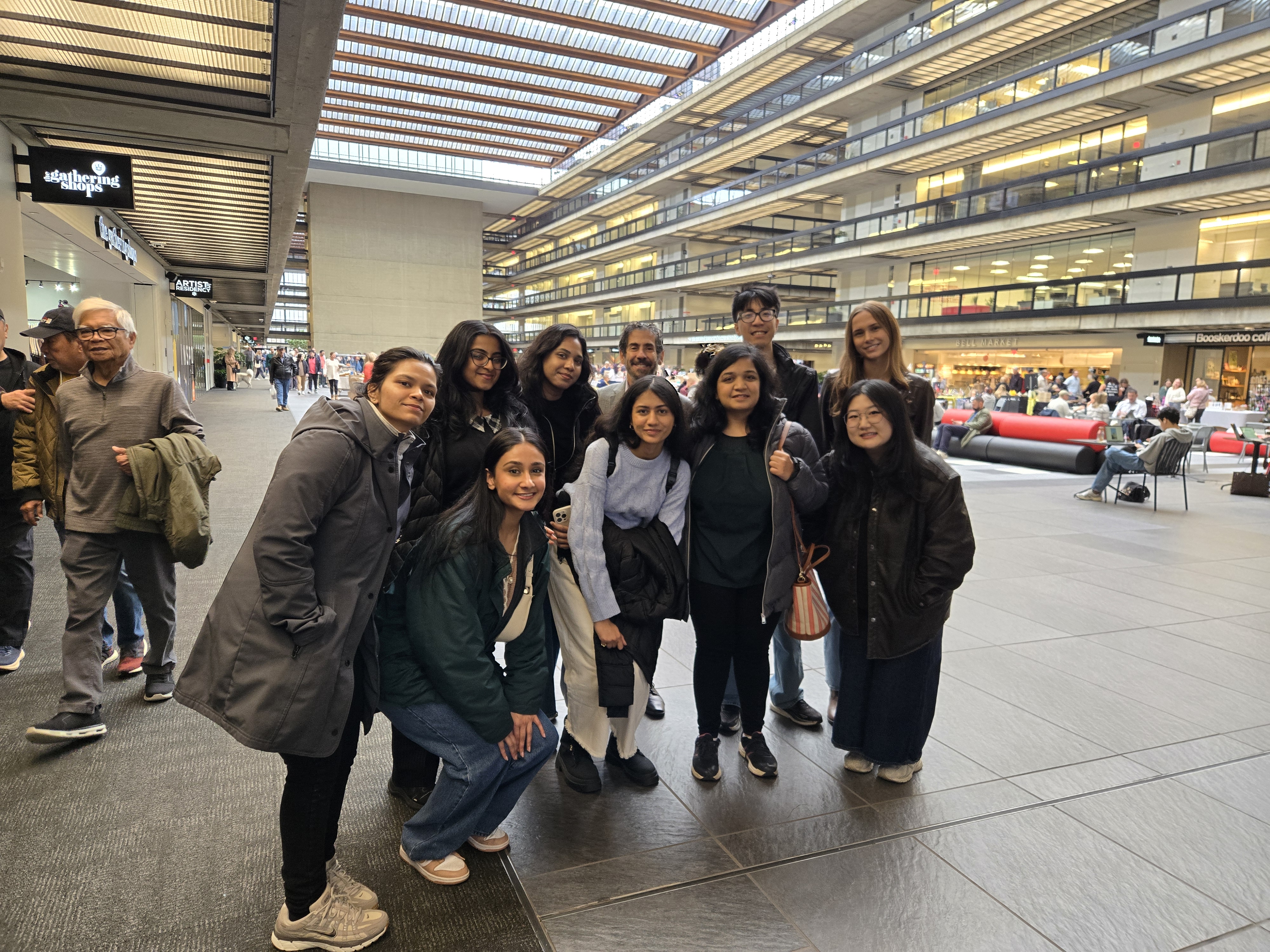
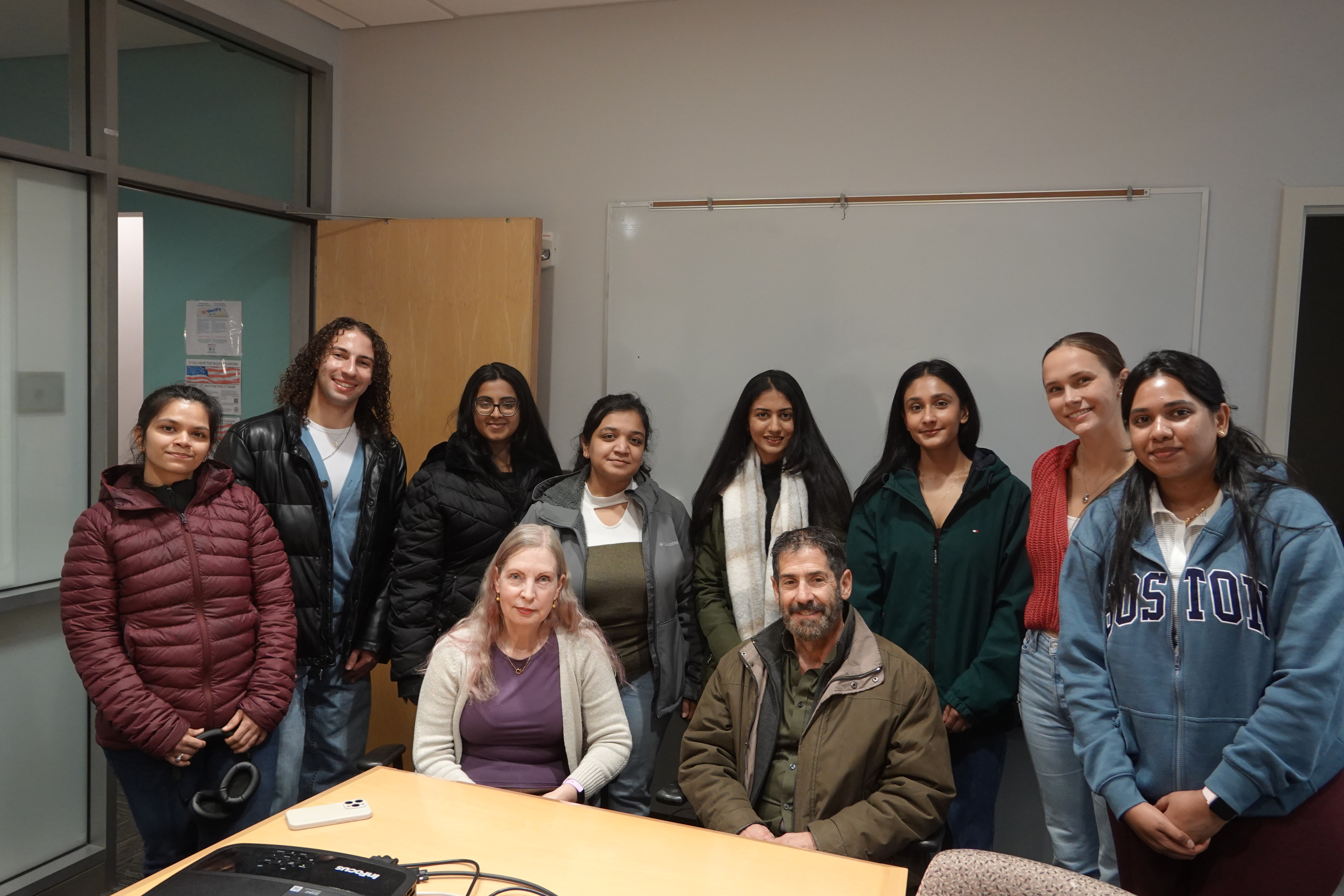
In the fall 2025 semester, the course piloted a new initiative allowing students to step out of the classroom and into real-world work environments. Students visited locations in New Jersey and the surrounding area to see locations central to cosmetic science and cosmetic innovation.
This course is taught by Dr. Jay Goldring, who has over 25 years of experience in quality, regulatory affairs, and safety roles in the pharmaceutical, cosmetic, food, and consumer product industries, including 15 years managing regulatory and safety departments. He has worked for organizations including L'Oréal, Avon, and Supergoop! With extensive leadership experience in quality, safety, and regulatory functions across both the cosmetics and pharmaceutical industries, Goldring brings real-world insight into the classroom.
Course Overview
Part of our Personal Care Science concentration curriculum, the course "Cosmetic Quality, Safety and Global Regulation" focuses on the global regulatory, safety, and quality requirements that shape cosmetic products throughout their lifecycle. Students examine how regulations influence formulation decisions, ingredient selection, product claims, packaging, and manufacturing practices. Core topics include safety and quality testing, claim substantiation, ingredient and fragrance safety, and sustainability. The course complements formulation and dermaceutics coursework by providing a practical, industry-facing perspective on how regulatory and quality functions support compliant and efficient product development.
This course is especially relevant for students in the Personal Care Science concentration, but it also holds value for students from Drug Discovery and Development and Applied Food Science and Technology due to the relevance of regulatory principles across industries.
Field Trips as a Tool for Experiential Learning
This semester, students had the opportunity to visit key sites central to cosmetic science and innovation, translating classroom concepts to real-time observations. These field visits exposed students to roles beyond formulation and product development, offering a broader view of career opportunities within the cosmetics industry.
Students visited:
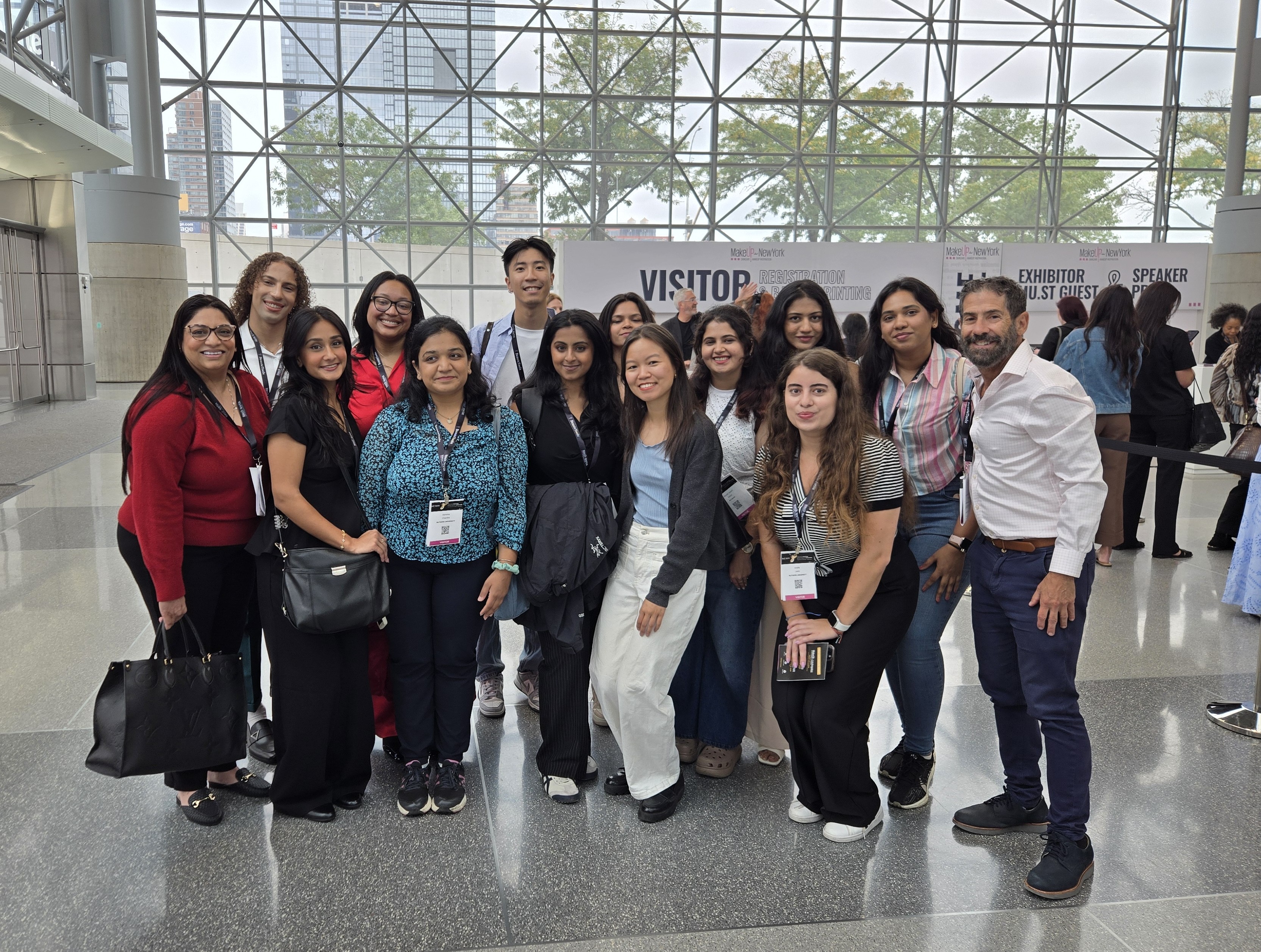
- MakeUp in NewYork: An international beauty trade show held at the Javits Center in New York City
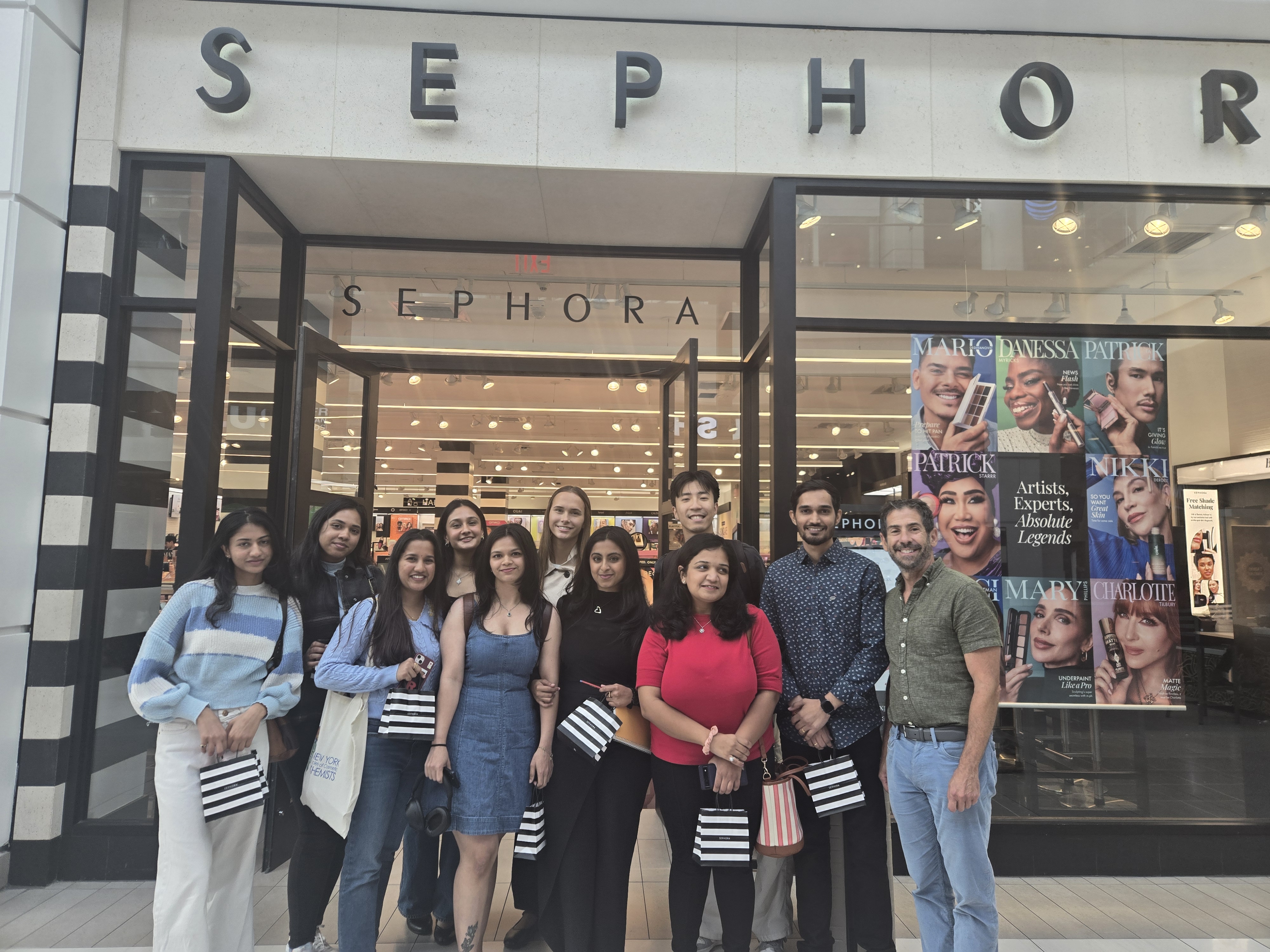
- Sephora: A global beauty retailer
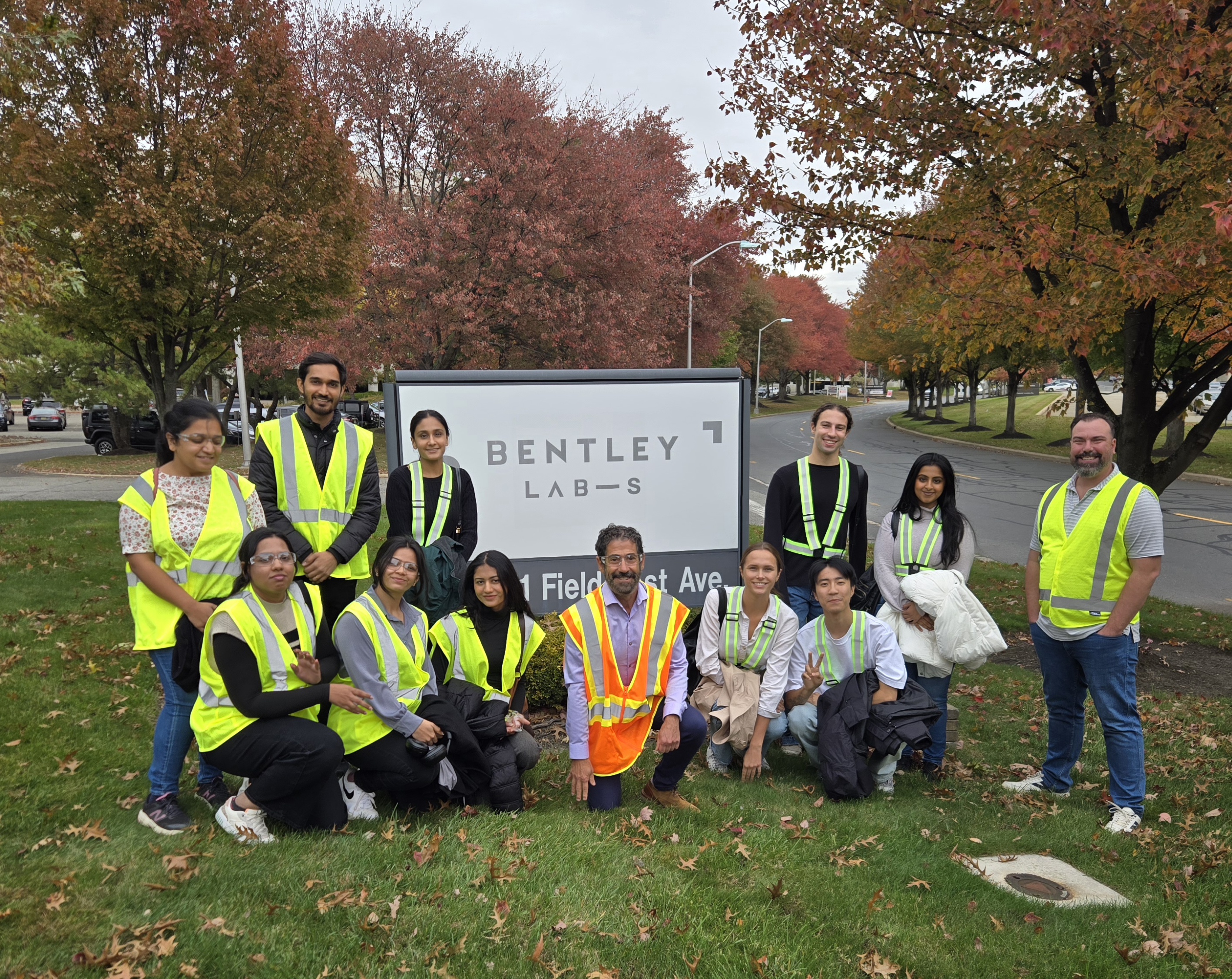
- Bentley Labs: A cutting-edge formulation and manufacturing partner to the world's best beauty brands
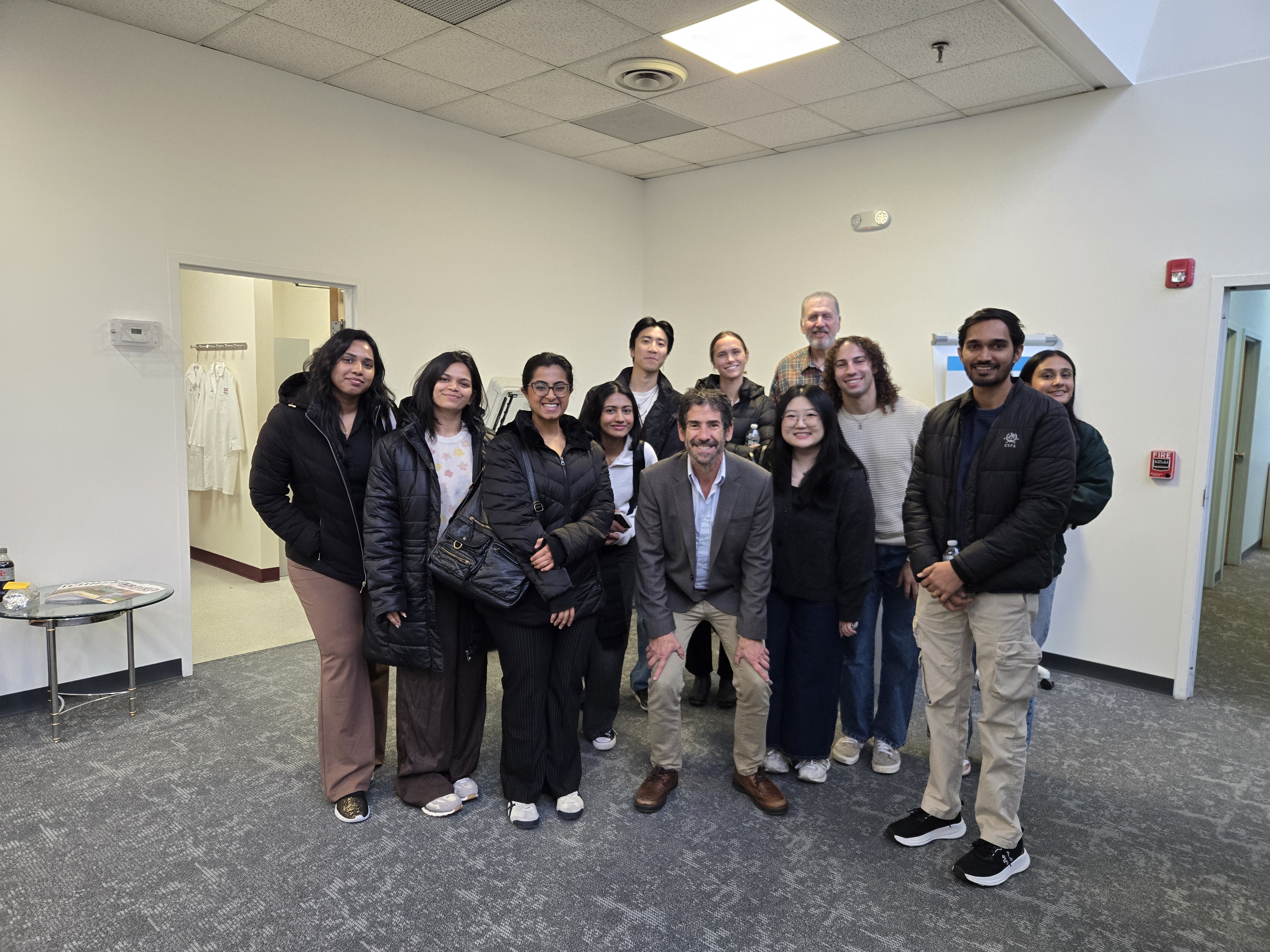
- CPT℠ Labs: Product Testing Company | Cosmetic, Pharmaceutical, Personal Care in Fairfield, New Jersey
- IFF International Flavors & Fragrances Inc.: A global leader in flavors, fragrances, food ingredients and health & biosciences
- Center for Dermal Research: A dermatopharmaceutics research center located on Busch Campus at Rutgers University
Through these experiences, students observed regulatory, quality, and safety processes in real time.
“I wanted to give students a real-world view of what these functions are,” said Goldring. “We covered the entire product development cycle, from conception and formulation at Makeup in NY, IFF, and to the manufacture and quality control at Bentley, testing and claim substantiation at the laboratories of CPT and the Center for Dermal Research, and finally to retail and sales at Sephora. Students met and observed individuals performing a variety of job functions at all of these locations, focusing on the role of regulatory decisions within their roles.”
These visits also provided valuable opportunities for networking and professional development. Students interacted directly with industry professionals, asked questions one-on-one, and gained exposure to real-world career paths and work environments—an early step in building meaningful professional connections.
Preparing Industry-Ready Graduates
By combining classroom knowledge with real-world experiences, "Cosmetic Quality, Safety and Global Regulation" supports the broader goals of the MBS degree program, bridging science, business, and real-world application. The addition of field trips brought an in-person dimension this course, reinforcing interdisciplinary problem-solving and career readiness. In fact, several other MBS courses feature field trips for these reasons. MBS students visit global furniture retailer giant IKEA, the United States Patent and Trademark Office, and a site of innovation during our Capstone retreat.
As the semester concluded, students left the course with a stronger understanding of cosmetic regulatory science and a clearer understanding of how they can contribute to this field as future professionals. The course emphasizes the importance of hands-on experience in shaping industry-ready graduates who are prepared to navigate the evolving cosmetics landscape.